Why Your Business Needs a Website Even If You Have Facebook
Facebook can help people discover your business. A website gives you a dedicated place to explain what you do, build trust, and guide customers toward the next step.
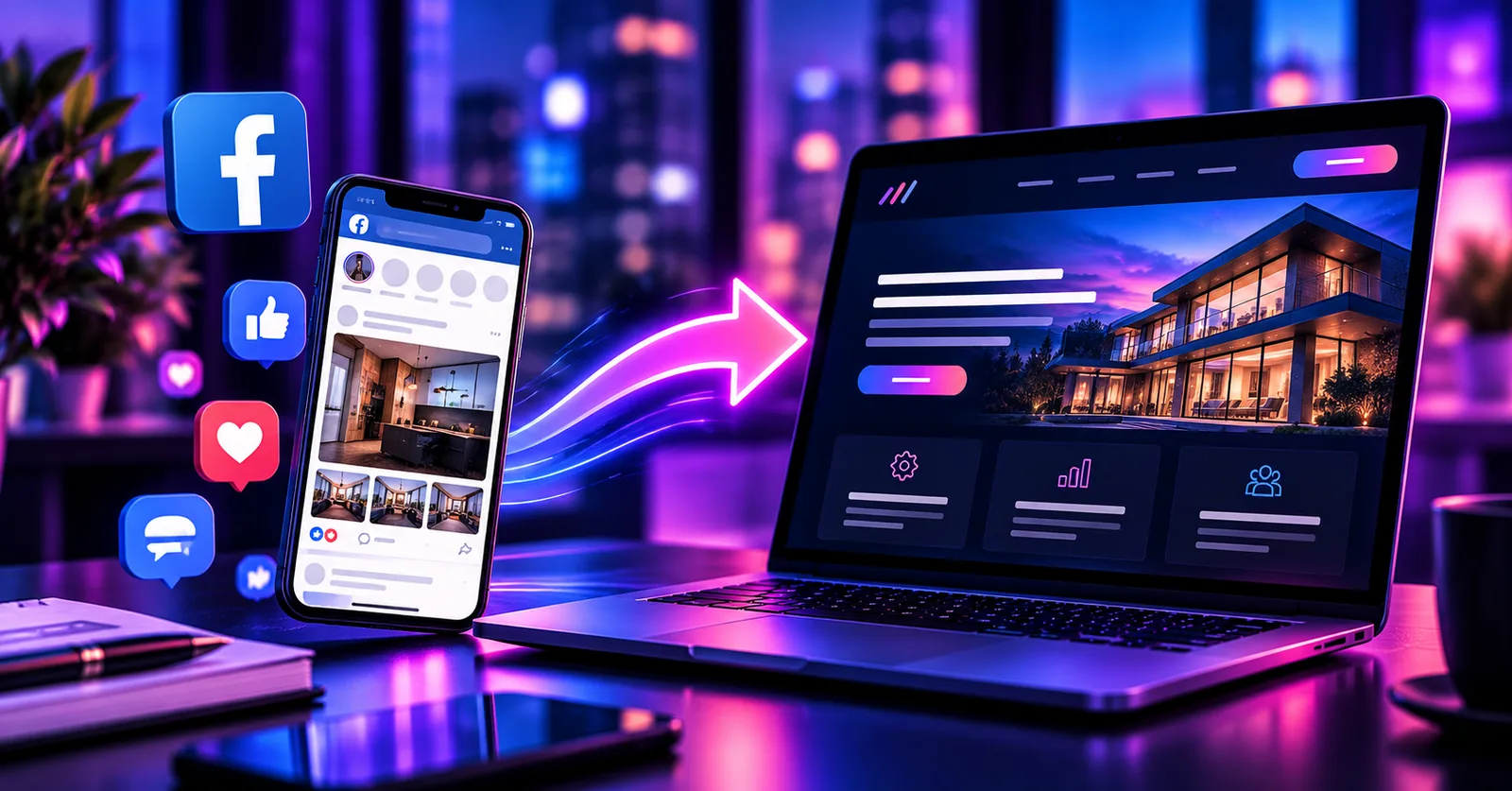
Facebook is useful, but is it enough?
For many small businesses, Facebook is the first place they establish an online presence. It is familiar, easy to update, and useful for sharing photos, announcements, promotions, and customer feedback. A business page can help people discover you and start conversations without needing to visit another platform.
But what happens when a potential customer wants to learn more about your services, compare options, check your credentials, or contact you outside social media? If all your important information is scattered across posts, or if a visitor has trouble finding the details they need, you may lose an opportunity to turn interest into an inquiry.
The answer is not to abandon Facebook. It is to give your business a dedicated online home and use social media as one of the channels that leads people there.
What makes a business website different?
A Facebook Page exists within a platform whose layout, features, and rules are controlled by Facebook. A business website is a digital property you can organize around your brand, services, customers, and goals. You choose how information is presented and what action you want visitors to take.
A website does not automatically generate traffic or sales. It does, however, give you a more flexible foundation for explaining your offer, appearing in relevant search results when properly optimized, and helping visitors move from researching to contacting or buying.
5 reasons your business should have a website
1. Build credibility and confidence
Customers often want to verify that a business is legitimate before they spend money or share their details. A professional website can bring together your story, services, location or service area, examples of your work, testimonials where available, and clear contact information. A well-organized website makes it easier for people to assess whether your business is right for them.
2. Help people find relevant information through search
People use search engines to investigate problems, compare providers, and look for products or services. A website gives you pages that can be organized around what your customers are searching for. Clear page titles, useful content, descriptive headings, and sound technical setup can help search engines understand those pages. Visibility is competitive and never guaranteed, but a website gives you more room to build a deliberate search presence.
3. Present your services clearly
Social posts are useful for updates, but older information can become difficult to locate as new posts appear. A website lets you create dedicated pages for your services or products, explain what is included, answer common questions, show relevant examples, and clarify how customers can get started. Visitors should not have to piece together your entire offer from months of posts.
4. Guide visitors toward a clear next step
A website can be designed around the action that matters to your business: requesting a quote, booking an appointment, calling, sending an inquiry, viewing a menu, or purchasing a product. Clear calls to action and a simple mobile experience help visitors understand what to do next. The right conversion path depends on your business model and your customers' needs.
5. Build a foundation you can develop over time
As your business grows, your website can grow with it. You may add service pages, useful articles, case studies, frequently asked questions, booking tools, or online sales features. You can also measure how people arrive at your site and which pages help generate inquiries, subject to appropriate analytics and privacy practices.
Facebook Page vs. business website: how do they compare?
| Area | Facebook Page | Business website |
|---|---|---|
| Main role | Discovery, community, conversations, and updates. | Central place for business information and customer actions. |
| Control | Works within Facebook's interface, features, and policies. | Greater control over page structure, content, branding, and journey. |
| Information | Useful for posts, messages, and social proof available on the platform. | Can organize services, FAQs, examples, contact details, and calls to action. |
| Search | May be discoverable, but the experience is platform-dependent. | Pages can be planned and optimized for relevant search queries. |
| Best approach | Use it to reach and engage people. | Use it to explain your offer and guide interested visitors. |
The smart strategy: use both together
Think of Facebook and your website as partners rather than competitors. Social media can help you share timely updates, interact with customers, and introduce your business to new audiences. Your website can provide the complete, organized information people need when they are considering working with you.
For example, a social post might introduce a service or answer a common question. The post can then direct interested readers to a dedicated website page with the full explanation, examples, frequently asked questions, and a clear inquiry button. This creates a more intentional path from discovery to action.
Make sure your website link is easy to find on your social profiles, and keep key details, such as your services, hours, contact methods, and service area, consistent across platforms.
What should your website include?
You do not need dozens of pages to get started. Focus on the information customers need to make a decision. Depending on your business, a useful starting point may include:
- Home: Explain what you do, who you help, and the next step visitors can take.
- About: Introduce your business, experience, values, or approach.
- Services or Products: Describe each main offer clearly, including relevant details and limitations.
- Contact: Make it easy to call, email, submit an inquiry, or find your business if you serve customers in person.
- Proof and answers: Where available, include genuine testimonials, project examples, case studies, or FAQs.
- Clear calls to action: Help visitors understand how to request a quote, book, buy, or ask a question.
Also test the site on a phone. Text should be readable, navigation should be simple, pages should load reliably, and buttons should be easy to tap. A beautiful website that is confusing or difficult to use on mobile can frustrate potential customers.
"My business is small." Do I really need a website?
A website does not need to be large or complicated to be useful. A simple, well-planned site can answer the questions customers ask most often and make contacting you easier. Start with the essential pages and add features as your business needs evolve.
If Facebook already brings you customers, that is a reason to keep using it, not necessarily a reason to rely on it exclusively. A website can support the trust and information needs of customers who want to research you before reaching out. The right investment depends on your budget, goals, and how customers currently find and choose your business.
Turn your website into a stronger business asset
Creating a website is an important first step, but the site should also be clear, useful, mobile-friendly, and built with a purpose. Visitors should quickly understand what you offer, why it may suit their needs, and how to take the next step. Search engines should also be able to access and interpret the site's pages.
This is where LinoCon Digital can help. LinoCon Digital supports businesses with a connected set of digital services designed to strengthen their online foundation:
- Website Creation: Build a professional website that presents your business clearly, works across devices, and guides visitors toward relevant actions.
- SEO Setup: Establish a search-friendly foundation with appropriate site structure, page titles and descriptions, indexing checks, and on-page optimization.
- Backlink Building: Support broader authority-building efforts through relevant, quality-focused link opportunities, not spam tactics or promises of guaranteed rankings.
These services address different parts of the same challenge. Website Creation gives your business its online home. SEO Setup helps establish the foundation for search visibility. Backlink Building can support a broader SEO strategy when relevant. The right starting point depends on your current website, goals, and resources.
If you are planning a new website or unsure whether your current one is helping your business, explore LinoCon Digital's Website Creation service and consider how SEO Setup may support your next stage of growth.
A practical next step
Review your current online presence from a customer's point of view. Can a new visitor quickly understand what you offer? Is it easy to find reliable details, see relevant examples, and contact you? Does the experience work well on a phone? If the answers are unclear, start by improving the most important information and the path to contact or purchase.
You do not have to choose between Facebook and a website. Use Facebook to connect with people, and use your website as the central place where they can learn about your business and decide what to do next.
Ready to build a stronger online home for your business? Explore LinoCon Digital's Website Creation service, with SEO Setup and Backlink Building available to support the wider strategy.
Frequently asked questions
Do I need a website if my business has a Facebook Page?
Not every business needs a complex website immediately, but a dedicated website can give you greater control over business information, customer journeys, and how your content is organized. Facebook can continue to play an important role alongside it.
Will a website automatically bring customers from Google?
No. A website alone does not guarantee search rankings, traffic, or sales. Results depend on factors such as relevance, competition, technical quality, content, user experience, and ongoing work.
Can I keep using Facebook after launching a website?
Yes. For many businesses, using both is a practical approach. Keep sharing updates and engaging with people on Facebook, and direct interested visitors to relevant pages on your website.
What is the best first step if I do not have a website?
Start by identifying the most important questions customers need answered and the action you want them to take. Then plan a simple, mobile-friendly website around those needs before adding more complex features.
LinoCon Digital | Get found. Get chosen. Get growing.
Want this handled for you?
Book a free strategy call and we'll show you exactly where your website and SEO have room to grow.
Book a Strategy Call